Short answer: stock for the wedding season before it starts: order well ahead of the first wedding dates in your area, because popular catalogues sell out and transport slows down in peak weeks. Most of your sales will come from guests and the bride's and groom's families (party-wear, embroidered and silk-look sarees), not from bridal sarees, which are a smaller, higher-risk buy. Spread your stock across price ranges and confirm dispatch dates with the seller in writing.
When is wedding season?
In much of India the busiest wedding months fall in the cooler part of the year, roughly from late autumn through winter, and many regions have a second busy period in spring or early summer. Exact wedding (muhurat) dates change every year and differ between communities and regions, so check this year's dates for your own area. Our festive wholesale calendar covers the festival dates that overlap with the season.
Who buys during wedding season, and what they buy
| Buyer | What they usually look for | Stock tip |
|---|---|---|
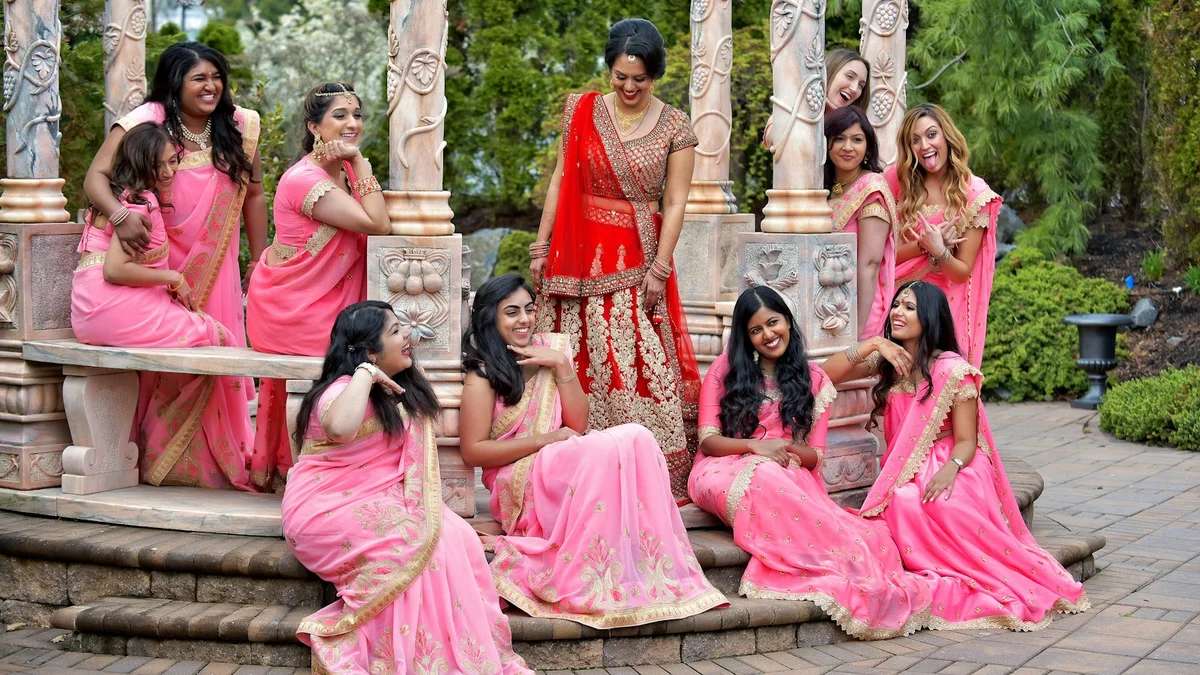
| Wedding guests | Party-wear sarees: georgette, chiffon, organza, silk-look fabrics with embroidery, sequins or mirror work | Your largest volume. Offer several price points. |
| Family of the bride or groom | Heavier silk or silk-look sarees, often several at once for different functions | Matching colours across a set can help: families often buy together. |
| Function-specific buyers | Lighter, brighter sarees for daytime functions; heavier ones for the main ceremony and reception | Mix light and heavy work in your order. |
| Brides | Bridal sarees, often chosen in person and tied to family tradition | Small numbers only, unless you know your market well. |
Not sure which fabric is which? See saree types by fabric and region.
Planning your order
- Start from last season. Which colours, fabrics and price points sold? Reorder the patterns, not necessarily the same designs.
- Spread across price ranges. Guests buy at different budgets. Having only premium stock, or only budget stock, loses half your customers.
- Test before you commit. Buy singles or a small set of new styles first, then reorder what moves. See catalogue vs single-piece buying.
- Keep some money back for mid-season reorders of the designs that sell fastest.
- Check the blouse. Customers ask whether the blouse piece is included, its fabric and whether it is stitched. Know the answer for every saree you sell.
What to confirm with the wholesaler before the rush
- Is it ready stock or booking? If booking, what is the dispatch date?
- Will the catalogue be restocked, or is it a one-time production?
- How will it be shipped, and how long does your route take in peak season? See how wholesale goods are shipped.
- What happens if a piece arrives damaged? Agree this before you pay. See return and damage terms to agree upfront.
Selling tips for the season
- Photograph the drape, the border, the pallu and the blouse piece. Wedding buyers look closely at the work.
- Group sarees by function (day function, sangeet, wedding, reception) in your catalogue or shop display.
- Be honest about delivery times. A saree that arrives after the wedding is a lost customer.
Frequently asked questions
How early should I stock wedding sarees?
Well before the first wedding dates in your area, so you have time to reorder fast sellers. Peak-season transport can be slower, so allow extra time.
Should I stock bridal sarees as a reseller?
Only in small numbers unless you know your market. Brides often choose in person and spend more, so unsold bridal stock ties up a lot of money. Guest and family sarees sell in much higher volume.
Where can I buy party-wear sarees wholesale?
Surat is a major source of party-wear and embroidered sarees. Browse Surat saree sellers and ask for samples before a bulk order.
Find wedding-season sarees
Browse sarees from Surat sellers or sarees from across India, and read the Surat market guide. Looking for something specific? Post your requirement.