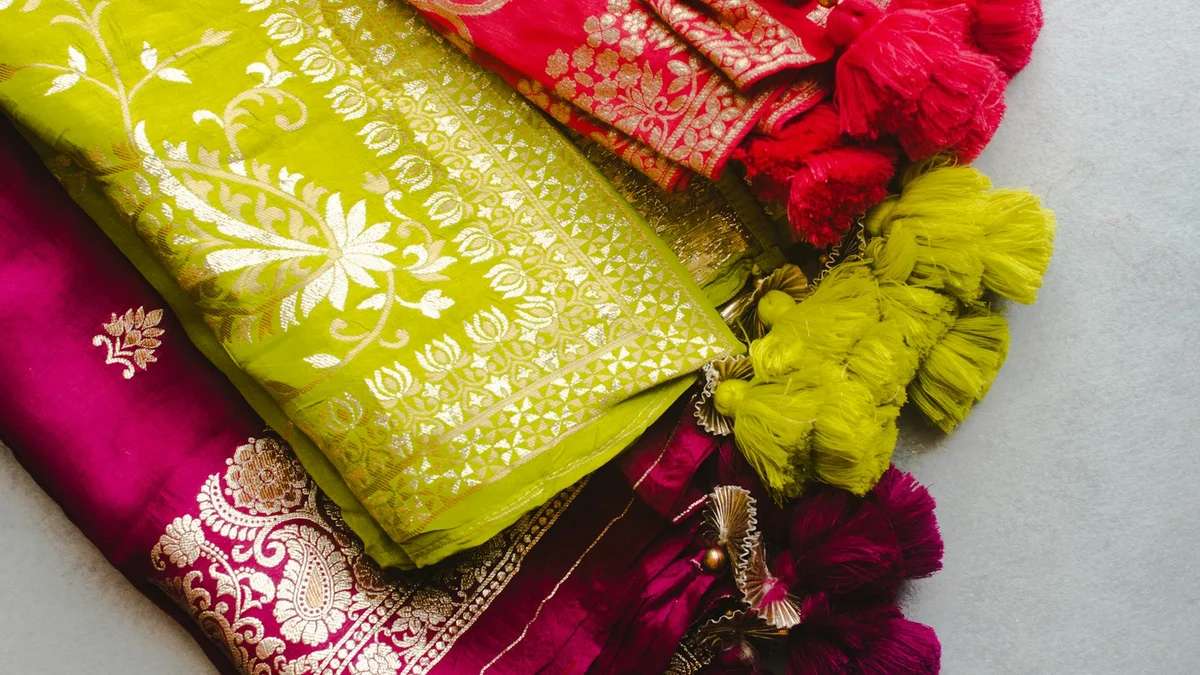
Short answer: sarees for resale fall into two broad groups. Regional handloom sarees such as Banarasi, Kanjeevaram, Patola, Paithani and Chanderi are named after the places and weaving traditions they come from. Fabric-based everyday and party sarees are often georgette, chiffon, crepe or other synthetics, a big part of Surat's trade. Many lower-priced sarees are "-style" versions of regional weaves, so always be clear with your customers about what a saree actually is.
Regional sarees at a glance
| Saree | Region | Known for |
|---|---|---|
| Banarasi | Varanasi, Uttar Pradesh | Silk with rich zari brocade; bridal and festive |
| Kanjeevaram (Kanchipuram) | Tamil Nadu | Heavy silk, bold contrast borders; bridal |
| Paithani | Maharashtra | Silk with peacock and floral motifs on the pallu |
| Patola | Patan, Gujarat | Double-ikat silk; very labour-intensive |
| Bandhani | Gujarat and Rajasthan | Tie-dye dots; festive and wedding wear |
| Leheriya | Rajasthan | Tie-dyed diagonal waves |
| Chanderi | Madhya Pradesh | Light, sheer silk-cotton with a soft sheen |
| Maheshwari | Madhya Pradesh | Light cotton-silk, often with a reversible border |
| Kota Doria | Rajasthan | Light, square-checked weave; summer wear |
| Tant | West Bengal | Crisp, light cotton for daily wear |
| Baluchari | West Bengal | Silk with story scenes woven on the pallu |
| Sambalpuri | Odisha | Ikat patterns in cotton and silk |
| Pochampally | Telangana | Geometric ikat |
| Kasavu | Kerala | Off-white cotton with a gold border |
Everyday and party sarees by fabric
- Georgette: light and flowing, usually polyester at budget prices. Popular for printed and party sarees.
- Chiffon: very light and sheer. Drapes beautifully, but needs careful handling.
- Crepe: slightly crinkled, resists creasing, good for daily and office wear.
- Art silk and other silk-look synthetics: give a silk look at lower prices. Sell them as such.
- Cotton: breathable everyday sarees, from handloom to mill-made prints.
- Net and embellished sarees: for parties and weddings, often with sequins or embroidery.
Surat is a major source of synthetic and printed sarees. See our Surat textile market guide.
Originals, "-style" sarees and honest selling
Famous names like Banarasi, Kanjeevaram or Patola are also used for style-inspired sarees made elsewhere, often on power looms or in synthetic fabrics. These sell well at their price, but customers who expect a handloom silk original will be unhappy, and that hurts your reputation.
- Ask the supplier directly: is it pure silk, a silk blend or art silk? Handloom or power loom?
- For pure silk, ask whether it carries a Silk Mark label (a quality label from the Silk Mark Organisation of India).
- Describe sarees accurately on your listings and in your WhatsApp catalogue, for example "Banarasi-style art silk saree".
What to check on a saree sample
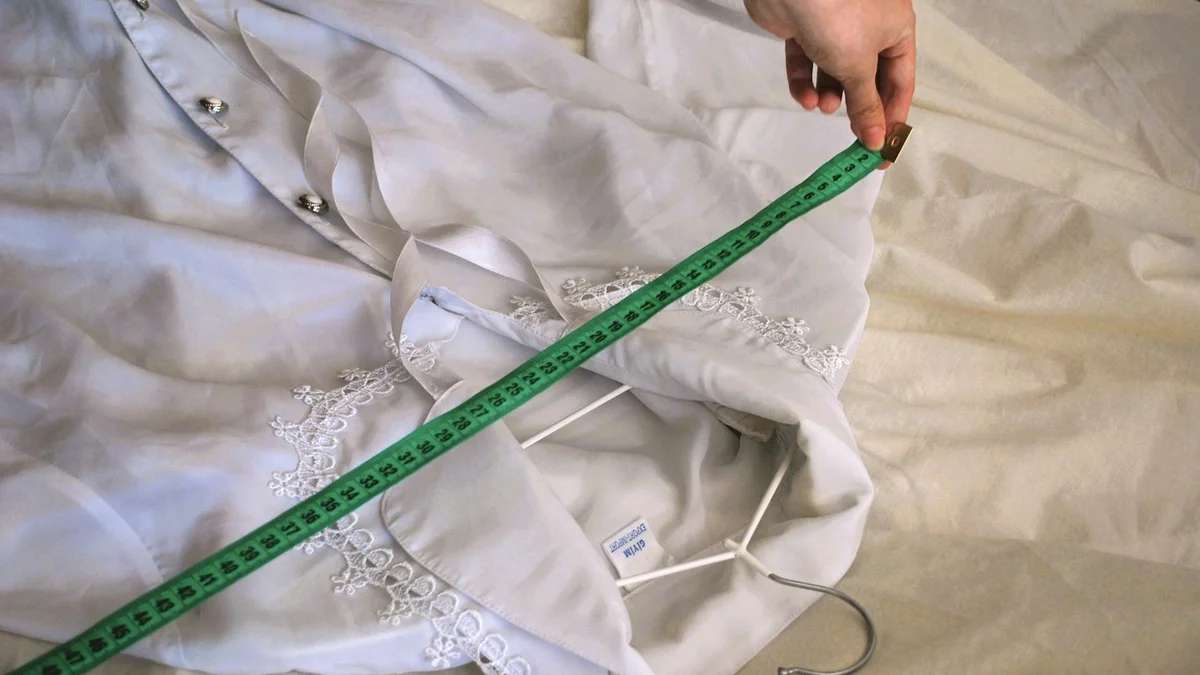
- Length, including whether a blouse piece is attached, and its length
- Fabric weight and fall: does it drape well?
- Zari or embroidery finish on the back side
- A colour bleed test on the sample, for dyed and printed sarees
- Edge finishing (fall and pico), if the seller says it's included
Frequently asked questions
What is the difference between Banarasi and Kanjeevaram sarees?
Banarasi sarees come from Varanasi and are known for rich zari brocade. Kanjeevaram sarees come from Kanchipuram in Tamil Nadu and are known for heavy silk and bold contrast borders. Both are popular bridal choices.
Which saree fabric is best for daily wear?
Cotton for comfort in heat, crepe or georgette for easy care and less creasing.
What does "art silk" mean?
Artificial silk: a synthetic or regenerated fibre made to look like silk, at a lower price than pure silk.
Find saree suppliers
Browse sarees in Surat, or post your saree requirement with the type, quantity and your city. Planning for a festival? See the festive wholesale calendar.