Short answer: order more of the sizes and colours that already sell for you, not equal amounts of each. Your own sales history is the best guide. Without it, start from a simple ratio weighted towards the middle sizes, buy new or unusual colours in small quantities, and adjust after every order. Unsold sizes and colours are where most reseller margin is lost.
Why equal quantities don't work
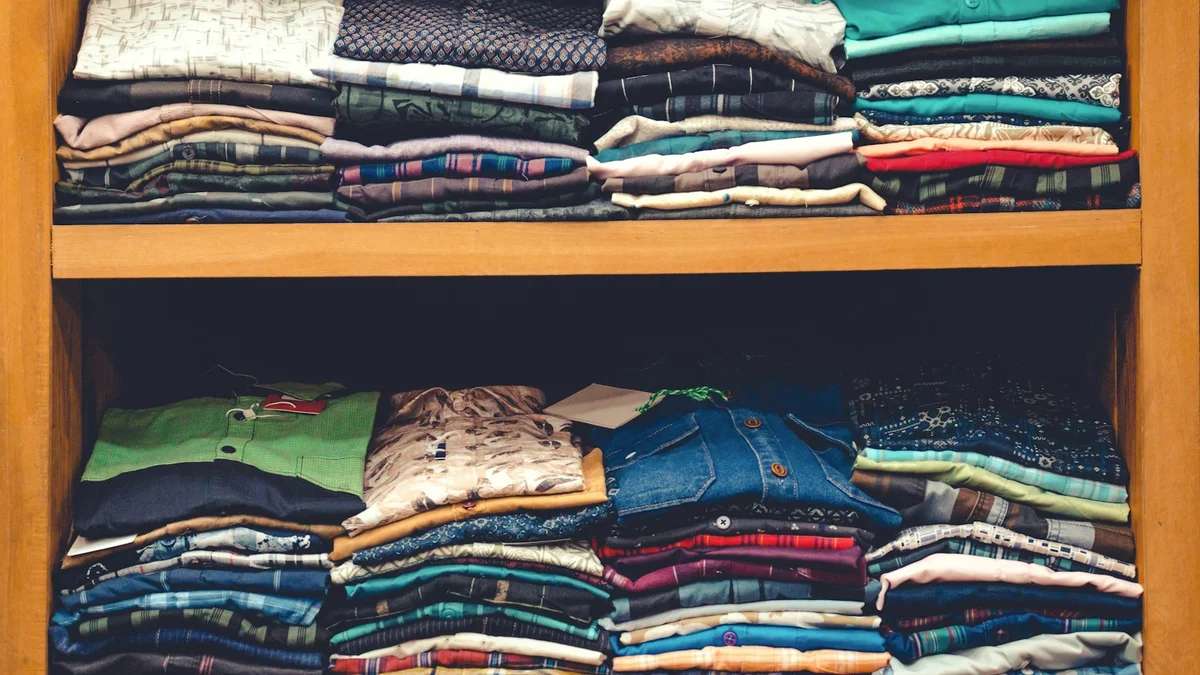
Ordering two of every size in every colour feels safe, but demand is rarely equal. In many markets the middle sizes sell fastest and the smallest and largest sizes more slowly, though this varies by region and customer. Some colours sell out in days while others stay on the rack. Equal ordering leaves you short of what sells and stuck with what doesn't.
Step 1: Use your own numbers
Look back at your last few orders and count what sold at full price, by size and by colour. Even a rough tally in a notebook or a phone spreadsheet is enough. If M and L sold twice as fast as S and XXL, order roughly twice as many.
Step 2: No history? Start from a simple ratio
An example starting point only. Adjust it to your own customers. For an order of 12 pieces of one design in sizes S to XXL:
| Size | S | M | L | XL | XXL |
| Pieces | 1 | 3 | 4 | 3 | 1 |
If your customers run larger or smaller, shift the whole pattern one size up or down. Many sellers sell fixed size sets, so ask whether you can buy extra pieces in your best-selling sizes on top of the set.
Step 3: Plan colours
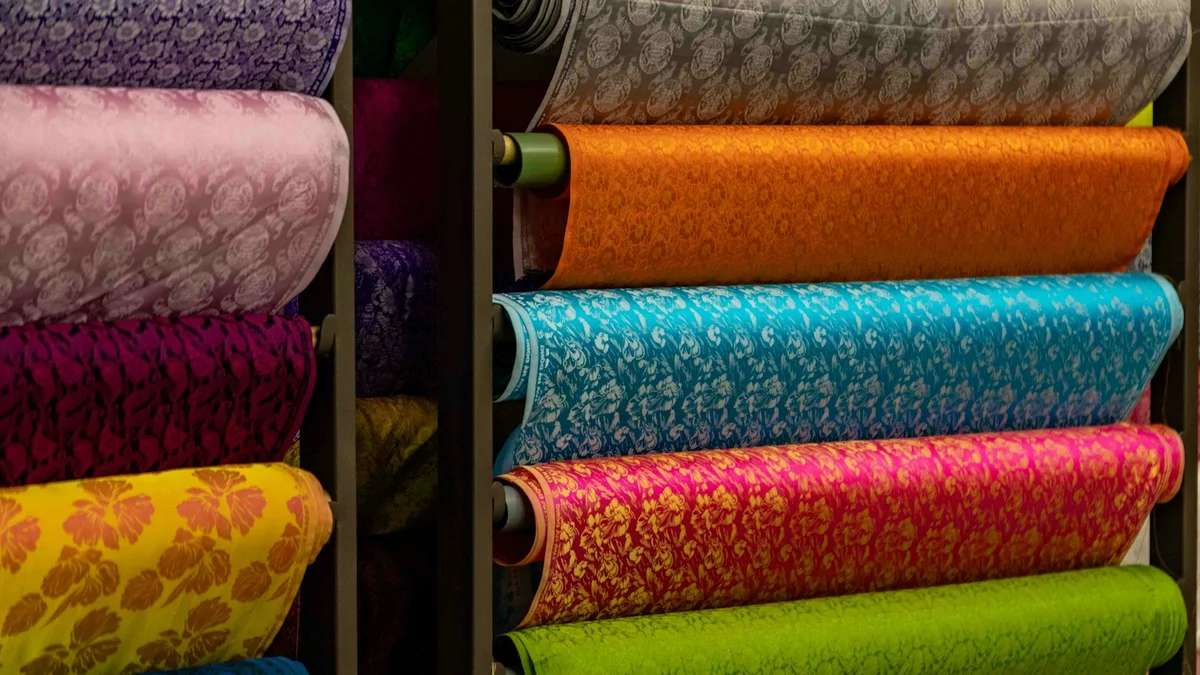
- Core colours that always sell for you (often maroon, navy, black, bottle green and pastels, but check your own sales) get the most pieces.
- Seasonal colours: brighter shades for festivals and weddings, lighter ones for summer. See the festive calendar.
- Test colours: one or two pieces only, until they prove themselves.
Buying singles is the cheapest way to test. See catalogue vs single-piece buying.
Step 4: Track and adjust
- After each order, note which sizes and colours sold out first and which were left over.
- Reorder fast sellers quickly, before the catalogue runs out.
- Clear slow sizes and colours early with a small discount, instead of holding them for months.
Leftover pieces raise your real cost per piece. See how to calculate landed cost.
Unstitched and free-size items
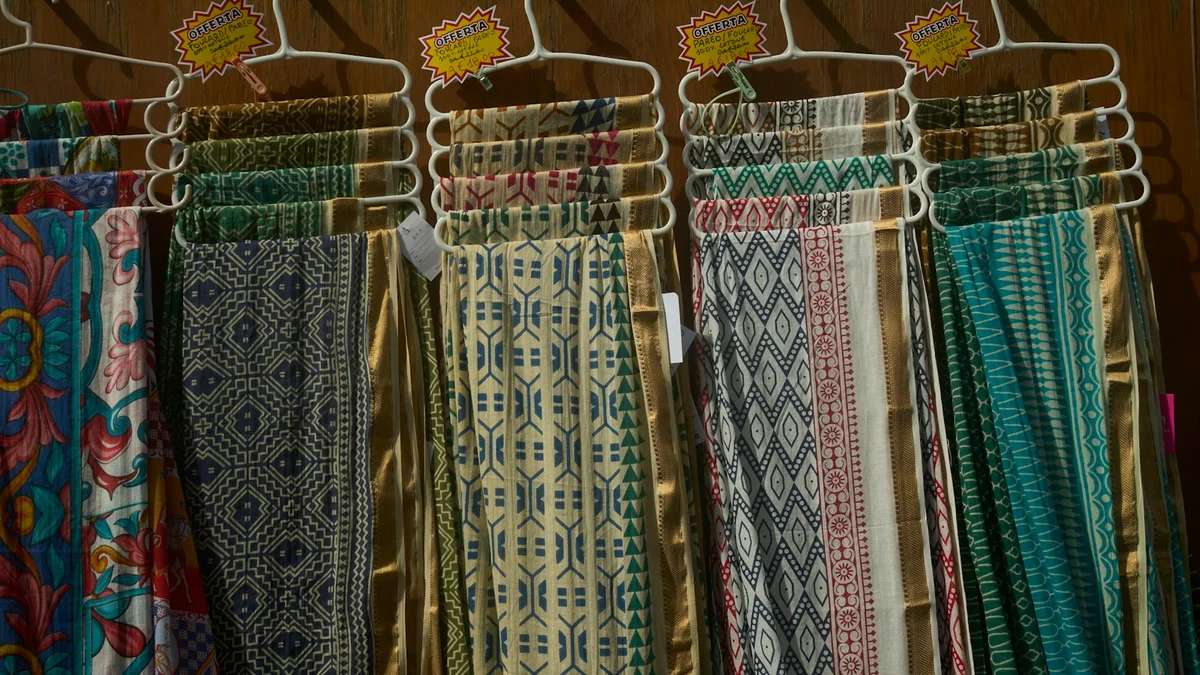
Dress materials, unstitched suits and most sarees have no size risk, which is one reason they suit new resellers. See dress material wholesale explained. For these, plan by colour and price point only.
Frequently asked questions
Which sizes sell most in women's ethnic wear?
Often the middle sizes, M to XL, but it depends on your region and customers. Your own sales history is more reliable than any general rule.
How many colours should I order of one design?
Two or three proven colours in depth, plus one test colour in small quantity, works for many resellers.
What should I do with leftover sizes?
Clear them early with a small discount or a combo offer, and order fewer of that size next time.
Find stock to plan with
Browse kurtis, suit sets and women's dresses, and ask sellers which sizes and colours they can supply beyond the standard set.